The Peacock’s Gamble: Why Your 'Handicap' is a High-Value Asset
The logical world is obsessed with efficiency and 'lean' operations. But in the real world, the most powerful signal of quality isn't how much you've cut, but how much you can afford to carry.
Cristian Brownlee
Author

If you want to witness the poverty of modern "logic," look no further than the average business plan. It is a document obsessed with "efficiency." It wants to be "lean." It worships at the altar of optimisation. It is, in short, a spectacular failure of the imagination.
This spreadsheet-thinking has one mortal enemy: waste. To the purely logical mind, anything that isn't 100% functional is a cost to be cut. A heavier glass bottle? Waste. A beautifully designed, embossed package? Waste. Spending ten "unproductive" minutes on a customer service call just to be charming? A criminal waste of resources.
This logic will give you a perfectly functional, utterly charmless, and completely unloved business. It is the kind of thinking that, if it were in charge of biology, would look at a peacock and immediately order a strategic review. "Good heavens, that tail," the consultant would say. "It's metabolically costly, an aerodynamic disaster, and makes it a target for predators. We must 'lean out' this bird immediately."
In doing so, they would miss the entire point of the peacock.
The Message in the "Waste"
That tail is what biologists call a "costly signal." It is, quite literally, a handicap. Its power comes precisely from the fact that it is a burden. The tail is an unfakeable message to the rest of the world that says: "I am so genetically fit, so resilient, and so competent, that I can afford to carry this absurd, shimmering weight and still thrive."
The "waste" is the message. Humans are not data points on a spreadsheet: we are evolved creatures, and we are exquisitely sensitive to these signals. When you receive a product in a heavy, beautifully designed box, your logical brain might mutter about packaging costs. But your instinct says: "Wow. This company is so confident in its quality that they aren't cutting corners. This must be a high-status, reliable product."
I call these "strategic flourishes." The "thunk" of a heavy car door, the unnecessary weight of a fountain pen, or the polite doorman at a hotel. None of it is strictly "functional," yet all of it creates the value that allows a business to transcend being a mere commodity.
The Space-Grade Stress Test
In my research for Project Endeavour II, we look at how systems fail in microgravity. We aren't looking for "efficient" systems that work when everything is fine. We are looking for systems that function during a hull breach in a vacuum. We want the "extreme" data.
If a process can survive the stress-test of space, it is inherently superior to one designed for the comfort of an office. Resilience is a much higher-value metric than efficiency. In business, a founder who has navigated extreme constraints is like a piece of hardware that has been tested in a vacuum. They aren't just "efficient": they are hardened.
The Ultimate Signal of Quality
This brings us to how we frame disability in the workforce. The logical world often views disability as a "handicap" in the purely negative sense. The spreadsheet sees a liability or a "diversity quota" to be filled. This is a profound misunderstanding of how value is signaled.
When a disabled entrepreneur builds a thriving, brilliant business, they are the ultimate peacock. They are sending an unfakeable signal of quality. They are saying: "I have succeeded despite navigating a world of friction, physical barriers, and assumptions that my able-bodied competitors do not even see. I am so resilient and so creative that I can carry this 'handicap' and still outpace you."
This imbues their brand with a level of authenticity and trust that a "lean," spreadsheet-driven competitor could never fake. It proves that the founder has already survived the "hull breach." They have been stress-tested by life and have come out the other side with a high-performance mindset.
"True innovation doesn't come from removing the weight: it comes from being the person who can carry it and still dance."
Stop Being So "Efficient"
If you want your business to be remembered, stop trying to be the leanest bird in the forest. Stop cutting the "waste" that actually signals your care and your capacity.
Start thinking like a peacock. Your unique constraints, your "handicaps," and your specific battlefield experiences aren't liabilities. They are the most powerful, authentic signals of quality you own. If you can afford to be excellent when things are difficult, the world will notice.
Related Articles
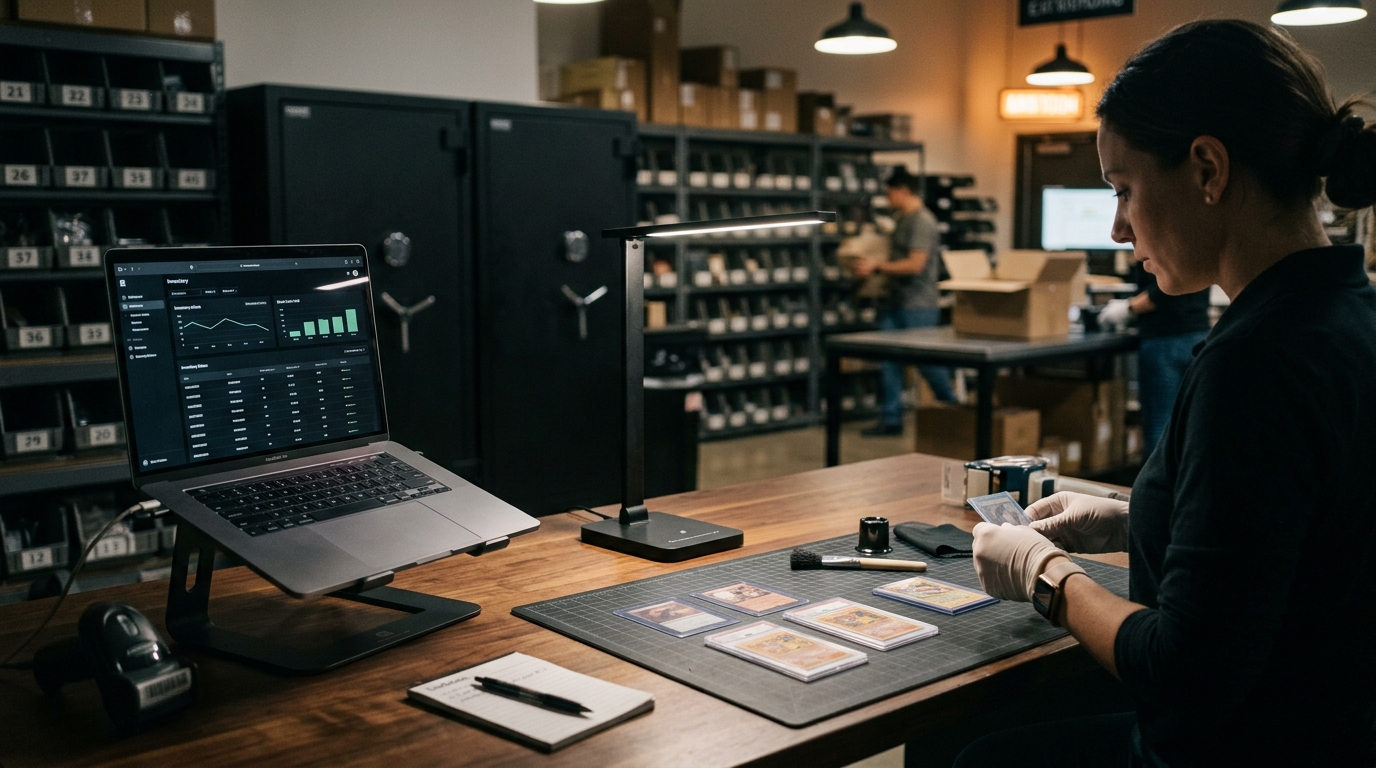
The Accessible E-Commerce Blueprint: Engineering a High-Velocity Retailer Under Constraint
How designing around severe physical energy limits led to the creation of Glitch Guild, a player-owned UK trading card platform running on algorithmic automation and strict ethical baselines.

The Friction Fallacy: Why Your Customers Are Lying to You
Most business leaders are obsessed with making things easier, but sometimes the secret to success is making things just a little bit harder.